App localization a game changer for app developers
28/03/2024
Practical Tips
Are you preparing for an app launch and want your app to be downloaded and used by users in different countries and regions? If you do, it is essential to have an app localization strategy. With the diversified nature of the World Wide Web, app developers can broaden their scope to attract users in different regions more than ever before.
What does app localization mean?
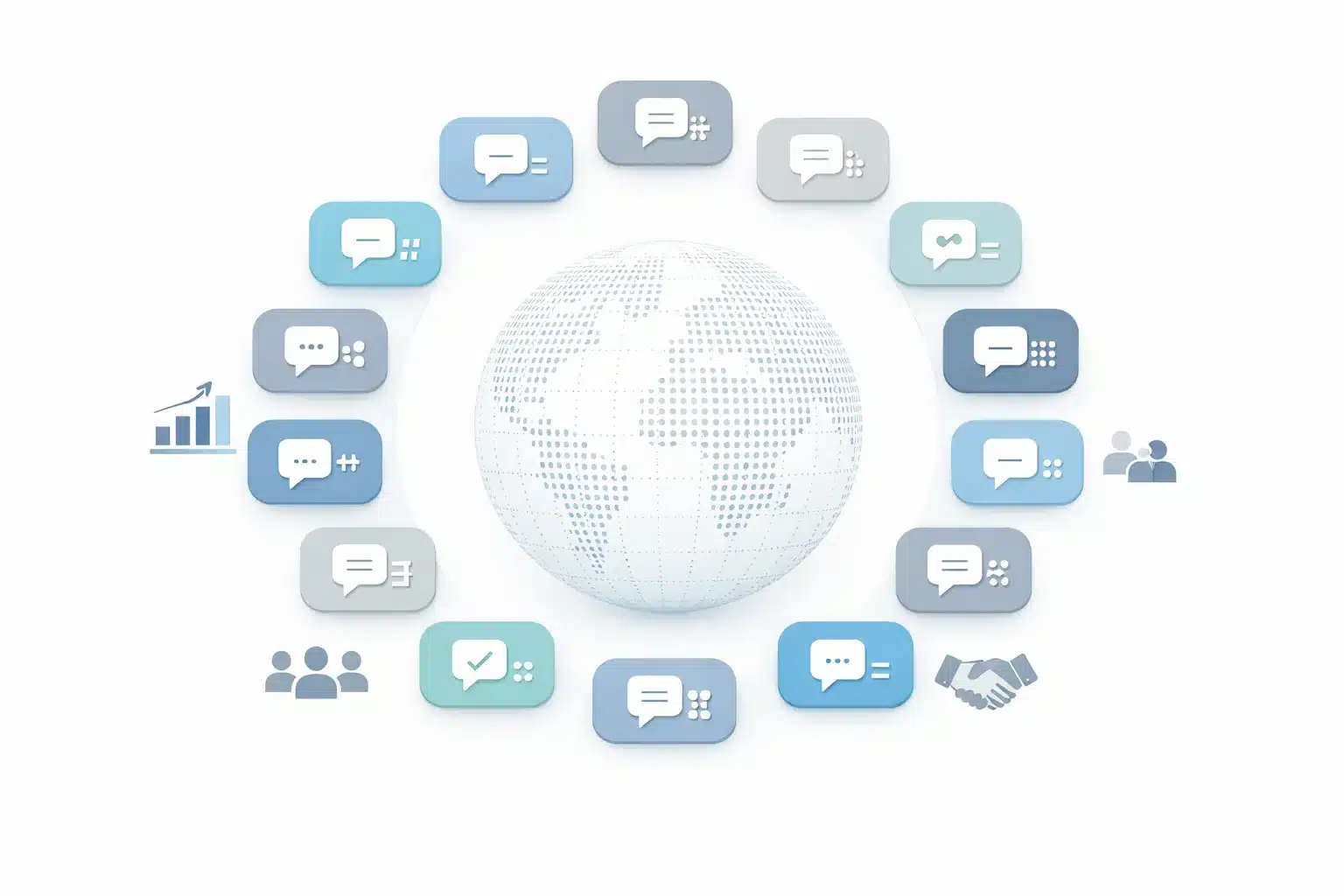
App localization is the strategic process of designing an application in such a way that it covers the technical, linguistic, and cultural elements of each target market. When an app is localized, it increases the user experience value. The first stage of app localization is what we call “Internationalization.”
Internationalization can be defined as the first stage of localization that differentiates the interface content from the app’s code. When an app is internationalized, the coding is designed to make it more language dependent. When this is done, the app’s language code is able to retrieve text in a particular native language.
After the app is internationalized, several other elements are re-created to make the app localized so that the user will assume that the app was solely created in their local language, even though that is not the case.
Localizing your app before launching it in Android Play Store or iOS exposes it to the world, and many more people will be willing to download and use it.
Difference between app availability & app accessibility
To fully understand the value of app localization, you need to understand the difference between app availability and app accessibility. An app is available if it is open for download on any of the online stores or directly from the developer’s website. But an app is said to be accessible if all its features are accessible and easy to use.
So, therefore, app localization increases user experience. Even if your app is available in multiple languages, it still pays to have it localized.
Why app localization is such a good idea
Localizing your app is such a good idea for the following reasons.
Increased Downloads
Every app developer would like their app to be downloaded massively and used by online users. App localization can boost your downloads more than you can imagine and if trends are anything to go by, many more developers are going to localize their apps even more in the coming years.
Countries like India, China, and the US have the highest number of mobile phone users totaling more than 1.46 billion people. This surge in user population creates an opportunity for app developers to scale their apps to a wider audience. More users mean more apps will be translated into new languages in the coming years. When you localize your app, you offer extra value to users in different regions.
A Personalized UX
App localization provides a personalized UX compared to apps that are not localized. About 65% of app users prefer apps in their local language, and 40% will prefer not to buy stuff online. Foreign language, while 73% want product reviews done in their own language.
A localized app attracts more users by improving its visibility so many more people know about it.
Positive ROI
When you localize your app, you will enjoy positive returns on your investment by getting more downloads and users in the process. The revenue derived from apps in 2020 on Android and IOS was more than $111 billion in 2020, and it has continued to increase yearly.
App localization opens your app to new markets segments and results in a massive increase in your returns
How to localize your app
To localize your app, endeavor to do the following.
Start from scratch
From the initial development, stages embed app localization. As part of your strategy. From the mobile screen to the app design and interface, ensure the interface accommodates all the language you want from the start. This will make the translation process much easier.
Integration
Translation is only half the equation; you must go beyond translating text. The font, colors, and images must appeal to the local audience. This is where the expertise of a skilled designer and translator is required.
Hire Experts
Last but not least is to hire app localization experts to work on the project. An expert will ensure that your app is not only localized but fully integrated to increase user experience.
Are you looking for app localization experts, Contact Circle Translations? We handle all forms of app localization and UX translations into multiple languages.
Subtitles
Professional and Accurate Subtitle Services for your Videos.
Video subtitles specifically tailor-made for improving accessibility.
Using highly experienced subtitlers with years of industry experience.
Professionally written and expertly timed.
Translation
We help the world’s top companies translate their content in over 73 languages!
We localize content for internet websites, games, travel, cryptocurrencies, and more
Expand your global audience by adding different languages.
We work only with qualified translators and experienced content creators
Audio translation
Ensuring full accessibility for Blind and visual impaired audiences.
Visual descriptive events as they occur in the video.
Working with top audio describers to perfectly describe what is happening on-screen
Professional sound recording.
Excellent customer service, on time delivery and good quality at the reasonable price. We wholeheartedly recommend this agency
Michał Rajs
Alpha org
Related Posts
Practical Tips
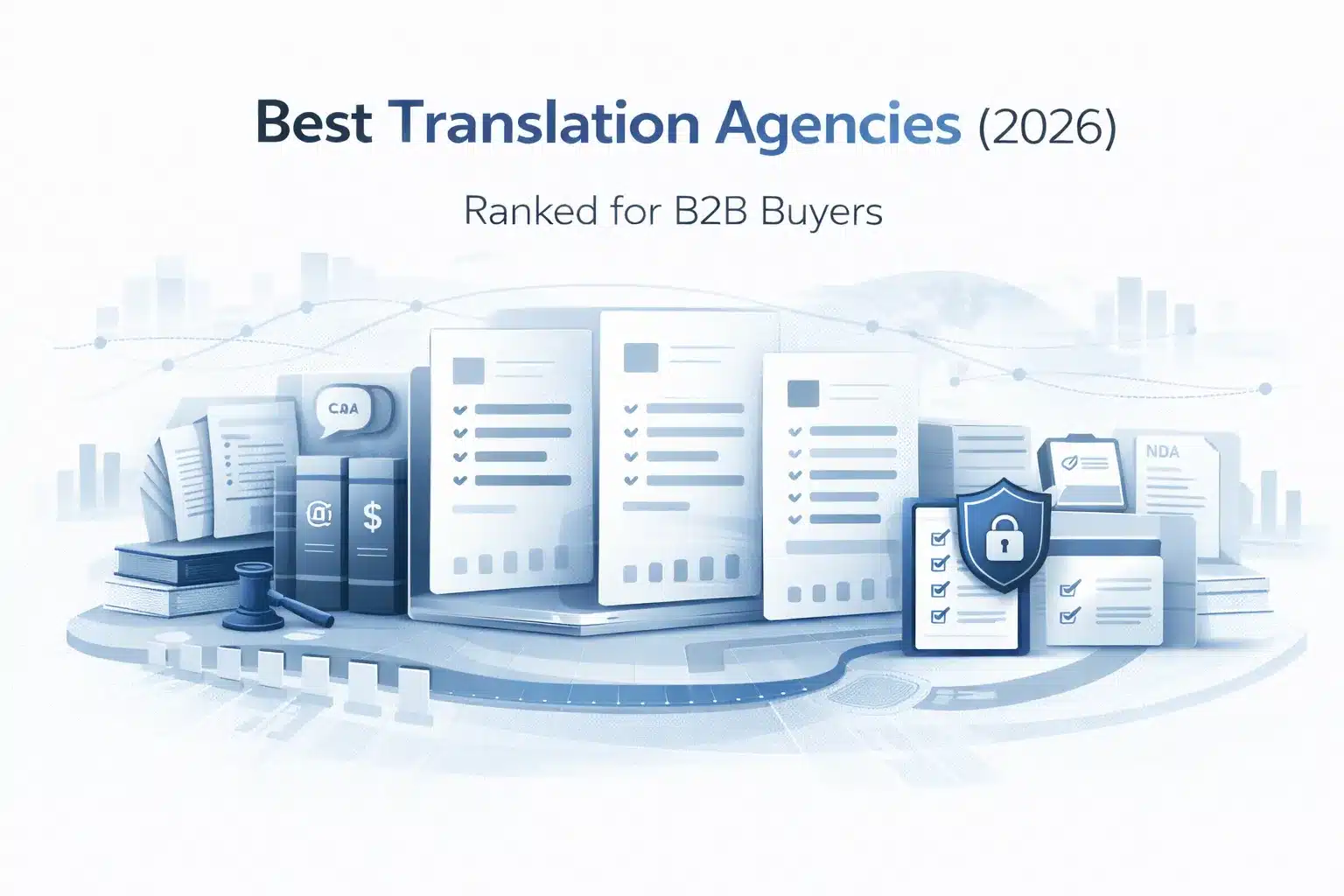
Best Translation Agencies in 2026: Top 10 Ranked for B2B Buyers
Choosing the wrong translation agency costs more than the translation itself. Rework cycles, regulatory delays, compliance exposure, and brand damage quickly outweigh any short-term savings on per-word rates. In 2026, there are hundreds of agencies, from freelance marketplaces to global enterprise language service providers (LSPs). The challenge for B2B buyers is not finding a vendor, […]
Practical Tips
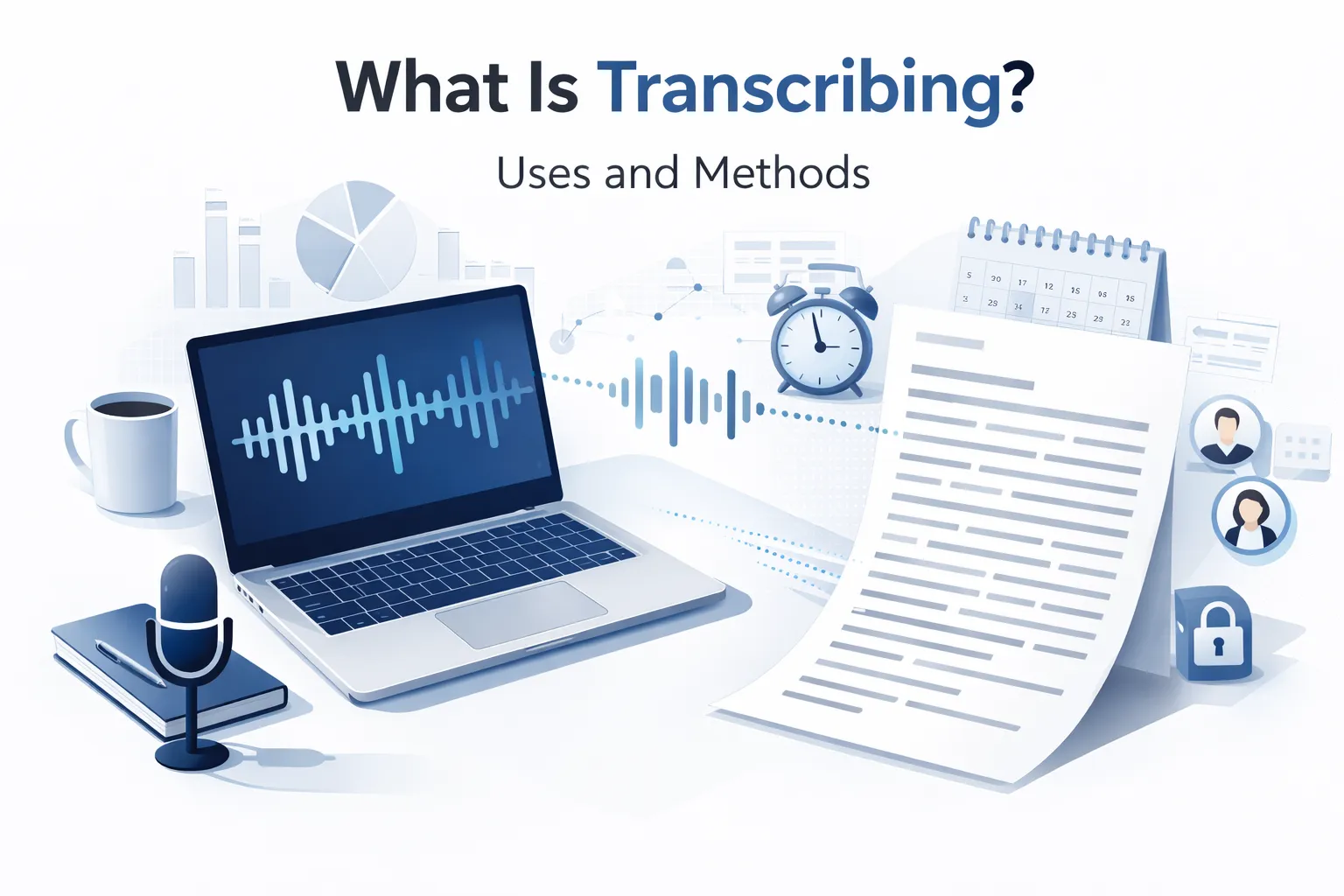
What is Transcribing? Everything You Need to Know (Uses and Methods Explained)
Transcribing is the process of converting spoken audio, from meetings, interviews, calls, hearings, or any recorded speech, into an accurate written document. The result is called a transcript. Transcription is used across legal, medical, corporate, research, and compliance environments where spoken communication must become searchable, shareable, and documented. For businesses, transcription turns unstructured spoken content, […]
Practical Tips
Top 12 Languages of the Future (2026): Speakers, GDP & Careers
The 12 most important languages of the future are Mandarin, English, Spanish, Arabic, French, Hindi, Portuguese, Japanese, German, Korean, Indonesian, and Swahili — selected based on 4 criteria: speaker population size, GDP contribution of native-speaking economies, projected growth rate, and demand in international business and diplomatic sectors. According to Ethnologue’s 2024 edition, the world has […]
Practical Tips
Medical Document Translation Services: Accuracy Standards, Privacy, and Common Documents
Every country’s medical documents, policies, etc., are very important for the people. Many countries have multilingual people. And for those people, medical document translation is very crucial. Now you might ask what this translation or what actually it translates? Medical document translation services convert healthcare content from one language to another while maintaining clinical accuracy, […]
Practical Tips
How to Use AI in Legal Contract Translation for Global Companies
Most multinational companies face a common problem: legal contract translations. It sounds easy, but once the real work began, it became complicated due to the rules and policies. If your company operates in multiple countries, contracts quickly become a scaling pr oblem. You need speed, but you also need accuracy, confidentiality, and consistency across languages. […]